Braces Treatment in Mumbai | Metal & Ceramic | Dent Heal

Braces Treatment Clinic in Mumbai - Orthodontist in Mumbai

What are Braces?

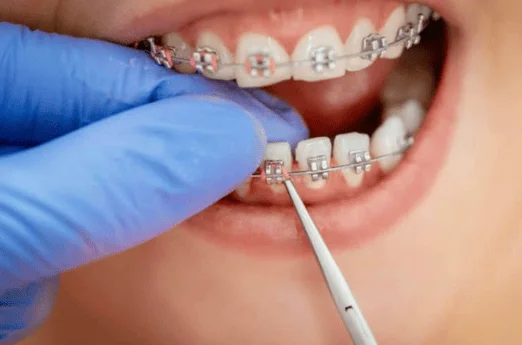
Braces are orthodontic devices designed to improve the alignment, function, and appearance of teeth. They typically consist of metal or ceramic brackets, wires, and bands that work together to apply gentle pressure to the teeth, gradually shifting them into a more aligned position. Braces are highly effective for correcting dental issues such as overcrowding, gaps, overbites, underbites, and other misalignments. Not only do braces contribute to better dental health, but they also help in achieving a more balanced, aesthetically pleasing smile.

Benefits of Braces

   Effective results
Braces offer consistent and reliable results because they are fixed in place and cannot be removed, ensuring continuous tooth movement without relying on patient compliance.

   Customizable & discreet options
Today’s braces come in various materials, including clear and tooth-colored options, making them less noticeable and more suitable for individuals concerned about their appearance during treatment.

   No removal for eating & drinking
Unlike clear aligners, braces are non-removable, so there's no need to worry about taking them out during meals or drinks, offering a hassle-free experience.

   Shorter treatment times
In certain cases, braces can provide faster results compared to other orthodontic treatments, depending on the complexity of the dental issues.

Types of Braces

1. Traditional Metal Braces These are the most common type, featuring stainless steel brackets and wires. They are known for being effective in treating a wide range of dental issues and are typically the most affordable option.

2. Ceramic Braces Ceramic braces are similar to metal braces but use clear or tooth-colored materials that blend more naturally with the teeth, making them a less noticeable option. They are slightly more delicate than metal braces but still highly effective.

3. Lingual Braces Lingual braces are placed on the back (lingual) side of the teeth, making them invisible from the front. They offer a discreet option but may require more adjustment time for comfort and effectiveness.

4. Clear Aligners Clear aligners are a series of custom-made, removable plastic trays designed to straighten teeth over time. They are a discreet option that can be removed for eating and cleaning, offering convenience, though they may not be suitable for all types of dental issues.

5. Self-Ligating Braces These braces use a special clip mechanism instead of elastic bands to hold the wire in place, reducing friction and allowing for fewer adjustments. They can be made from metal or ceramic and are more comfortable than traditional braces.

Each type of brace has its own set of advantages and can be chosen based on individual needs, treatment goals, and preferences for appearance and comfort.

How do braces work?
Teeth Cleaning

1

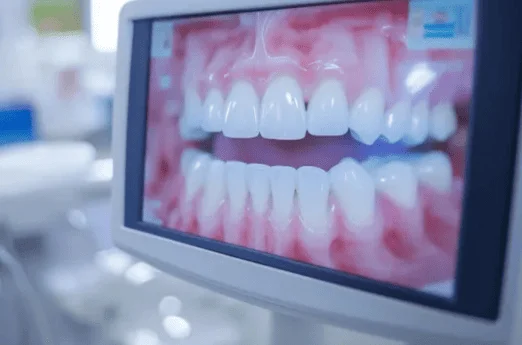
Initial consultation with an Orthodontist
Teeth Cleaning

2

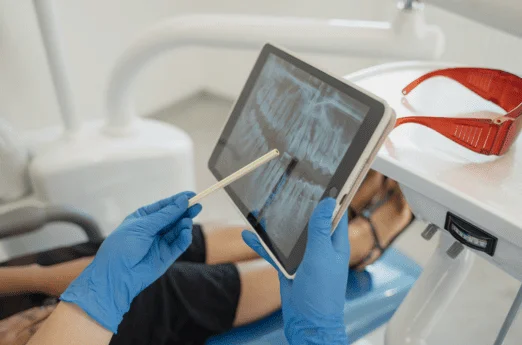
Customized treatment plan

Teeth Cleaning

3

Braces placement

Results

See Results Page

The people have spoken


Over 1,00,000+ smiles
delivered

4.9/5.0 (2878 reviews)

Frequently Asked Questions

Treatment time varies but typically lasts 1-3 years, depending on the complexity of the case and individual response

Are braces painful?

There may be some initial discomfort after braces are placed and after adjustments, but this usually subsides in a few days

Can adults get braces?

Yes, braces are effective for both adults and teens, with treatment options for different age groups

Do braces require special care?

Yes, maintaining oral hygiene with braces is essential. Brush carefully and avoid sticky or hard foods that could damage brackets

Will braces affect my speech?

There might be a short adjustment period, but most people quickly adapt without lasting impact

Are there options for clear braces?

Yes, clear or ceramic braces offer a more discreet option, blending in with natural teeth for a less noticeable look

What happens after braces are removed?

A retainer is usually recommended to keep teeth in their new position and prevent shifting after braces are removed

What is the right age to start orthodontic braces treatment?

There is no single ideal age for every patient. Orthodontic treatment can be provided to children, teenagers, and adults depending on tooth development, jaw growth, alignment problems, and bite concerns. An orthodontic evaluation can help determine the appropriate timing.

How much does braces treatment cost in Mumbai?

The cost of braces in Mumbai depends on the type of orthodontic appliance, complexity of the alignment or bite problem, expected treatment duration, and individual clinical requirements. A detailed orthodontic assessment is necessary before an accurate treatment plan and estimate can be provided.

Which is better for straightening teeth: braces or clear aligners?

Braces and clear aligners can both be used to correct selected orthodontic problems. The appropriate choice depends on treatment complexity, bite, tooth movement required, lifestyle preferences, patient compliance, and clinical recommendations.

How long does it usually take to straighten teeth with braces?

Orthodontic treatment duration varies depending on the severity of misalignment, bite problems, type of braces, biological response to treatment, and patient cooperation. Treatment can take several months to a few years depending on individual requirements.

Are metal braces more effective than ceramic braces?

Both metal and ceramic braces can be effective for suitable orthodontic cases. Metal braces are highly established, while ceramic braces may be preferred by patients seeking a less noticeable appearance. The appropriate option depends on treatment needs and individual preferences.

Can adults over 30 or 40 years old get braces?

Yes. Adults can undergo orthodontic treatment if their teeth, gums, and supporting structures are suitable. Age alone does not prevent treatment. Existing gum disease, missing teeth, or other dental conditions may need to be addressed as part of treatment planning.

How often are orthodontic adjustment appointments required?

The frequency of orthodontic visits depends on the treatment plan, type of braces, tooth movement, and clinical progress. Regular follow-up appointments allow the dentist or orthodontic professional to monitor treatment and make necessary adjustments.

What foods should be avoided while wearing braces?

Patients with fixed braces are generally advised to avoid very hard, sticky, or chewy foods that may damage brackets and wires. Foods may also need to be cut into smaller pieces. Following dietary recommendations can reduce the risk of orthodontic appliance damage.

Can braces correct severe gaps and crowded teeth?

Braces can treat many cases involving gaps, crowding, rotated teeth, and bite problems. The treatment approach depends on the severity and cause of the orthodontic condition. Some complex cases may require additional procedures as part of comprehensive treatment.

How painful are braces during the first few days?

Patients may experience temporary pressure, tenderness, or discomfort after braces are placed or adjusted. This usually occurs as the teeth begin responding to orthodontic forces. The intensity and duration vary between individuals.

What happens if a braces bracket breaks or becomes loose?

A broken or loose bracket should be reported to the dental clinic. Depending on the situation and timing of the next appointment, the dentist may recommend an earlier visit for repair. Avoid attempting to remove or adjust orthodontic components yourself.

How should I brush and floss properly while wearing braces?

Brushing around brackets and wires and cleaning between teeth are particularly important during orthodontic treatment. Special interdental brushes, flossing aids, or other recommended oral hygiene products may help remove plaque and trapped food.

Will I need tooth extraction before starting braces treatment?

Not every orthodontic patient requires tooth extraction. The decision depends on crowding, tooth position, jaw relationships, facial profile, bite, and available space. Detailed orthodontic assessment and treatment planning are required before recommending extractions.

Why are retainers necessary after braces are removed?

Retainers help maintain teeth in their corrected positions after active orthodontic treatment. Without appropriate retention, teeth can gradually shift. The type and duration of retainer use depend on individual treatment requirements.

What should I check before choosing a braces clinic in Mumbai?

Consider the clinic’s diagnostic process, orthodontic treatment options, follow-up protocols, treatment transparency, and approach to long-term retention. Dent Heal can provide an orthodontic evaluation to assess tooth alignment and bite concerns before recommending an individual treatment plan.

Ready To Schedule An Appointment?

Book your in-person or online consultation today.

Book your in-person or online consultation today.

Book an appointment

Visit Dent Heal. DO GOOD.

Visit Dent Heal.
DO GOOD.

When you get treated by us, you help fund access to dental health for the underprivileged.
1,678 patients treated!