Root Canal Treatment in Mumbai | Painless | Dent Heal

Root Canal Treatment in Mumbai

What is a Root canal treatment (RCT)?

A root canal, also known as Root Canal Treatment (RCT), is a dental procedure designed to save and restore a severely damaged or infected tooth. The process involves removing the damaged nerve and pulp, thoroughly cleaning and disinfecting the interior of the tooth, and then sealing it to prevent further infection. To ensure durability and protection, the treated tooth is typically restored with a crown, which strengthens it and restores its functionality. Root canal treatment is an effective solution for preserving your natural tooth and maintaining overall oral health.

Benefits of a Root Canal Treatment

   Restores Your Smile
A root canal, paired with a custom-fitted crown, restores the appearance and function of your tooth, giving you a confident and natural-looking smile.

   Minimally Invasive and Comfortable
Modern root canal techniques make the procedure virtually painless, with recovery often being smoother and less discomforting than a tooth extraction.

   Promotes Oral and Overall Health
By eliminating infection and preserving the natural tooth, root canals reduce the risk of complications linked to poor dental health, such as heart disease and systemic infections.

    Quick and Cost-Effective Solution
At Dent Heal, we offer efficient single-sitting root canals that save time, minimize discomfort, and are budget-friendly, ensuring high-quality care without unnecessary delays.

Choose root canal treatment for a healthier, pain-free smile and long-term dental wellness.

How does a Root Canal work?
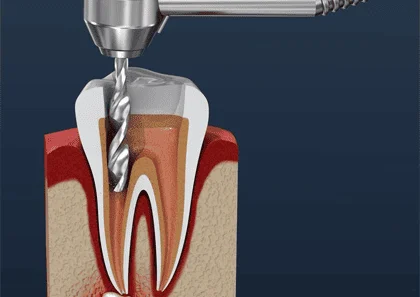
Teeth Cleaning

1

Drilling and opening
An access point is created to remove the infected pulp
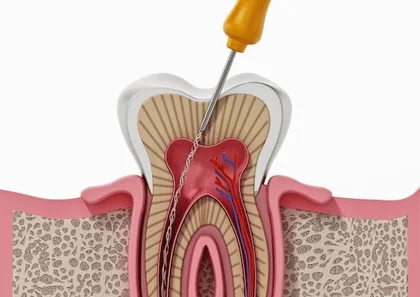
Teeth Cleaning

2

Shaping and filling
The tooth’s interior is cleaned, shaped, medicated, and filled
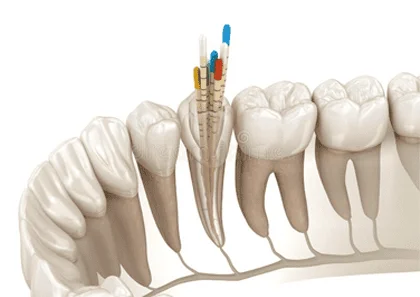
Teeth Cleaning

3

Finishing a root canal
The tooth is sealed to prevent future infection
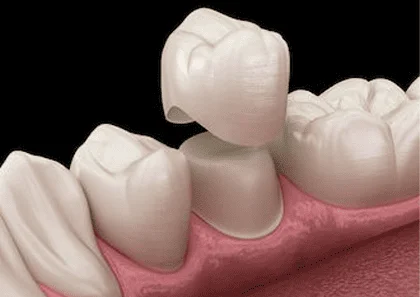
Teeth Cleaning

4

Adding a crown
A crown is placed to restore strength and function

Results

See Results Page

The people have spoken


Over 1,00,000+ smiles
delivered

4.9/5.0 (2878 reviews)

Frequently Asked Questions

Root canal treatment is generally painless due to anesthesia, with minimal discomfort afterward

How long does a root canal procedure take?

Root canal treatment typically takes one to two hours, depending on the complexity

How do I know if I need a root canal?

Persistent tooth pain, sensitivity to hot or cold, and swelling may indicate the need for a root canal

How long will a root canal last?

With proper care, a root canal can last many years, often with the addition of a durable crown

What should I eat after a root canal treatment?

Stick to soft foods for a few days and avoid biting down on the treated tooth

How do I prevent infections after a root canal?

Practice good oral hygiene and follow any post-treatment care instructions

What symptoms indicate that I may need root canal treatment?

Symptoms that may indicate the need for root canal treatment include persistent toothache, prolonged sensitivity to hot or cold foods, pain while biting, swelling, gum tenderness, or tooth discolouration. Some infected teeth may have few noticeable symptoms, making a professional dental examination important for accurate diagnosis.

How much does root canal treatment cost in Mumbai?

The cost of root canal treatment in Mumbai depends on the affected tooth, complexity of the root canals, severity of infection, number of treatment sessions, and whether a dental crown is required afterward. A clinical examination and diagnostic imaging may be necessary before an accurate treatment estimate can be provided.

Is modern root canal treatment painful?

Modern root canal treatment is generally performed using local anaesthesia to minimise discomfort during the procedure. The treatment aims to remove infected or inflamed tissue that may be causing tooth pain. Mild tenderness can occur after treatment but often improves during the recovery period.

Can an infected tooth heal without a root canal?

If the dental pulp has become irreversibly inflamed or infected, it generally cannot heal on its own. Depending on the condition of the tooth, root canal treatment may be recommended to remove the infection and preserve the natural tooth. Delaying treatment can allow the dental problem to progress.

How many sittings are usually required for root canal therapy?

Root canal treatment may be completed in one or multiple appointments depending on the tooth, complexity of the root canal system, severity of infection, and individual clinical condition. After evaluating the affected tooth, the dentist can explain the expected number of treatment sessions.

What is a single-sitting root canal treatment?

Single-sitting root canal treatment involves cleaning, disinfecting, and filling the root canals during one appointment when clinically appropriate. Not every patient or infected tooth is suitable for this approach. The dentist determines whether single-visit treatment is appropriate after examining the tooth and surrounding tissues.

Can root canal treatment save a severely damaged tooth?

Root canal treatment can help preserve many teeth affected by deep decay, infection, or certain types of dental trauma. However, the tooth must have sufficient remaining structure and adequate support. Severely fractured or structurally compromised teeth may require alternative treatment.

What happens if I postpone a recommended root canal?

Postponing root canal treatment may allow infection or inflammation to progress. This can lead to increased pain, swelling, abscess formation, damage to surrounding tissues, and a reduced chance of preserving the tooth. Early treatment can help manage the problem before it becomes more complex.

Is a dental crown always necessary after root canal treatment?

Not every root canal-treated tooth requires the same restoration. Back teeth often require crowns because they experience significant chewing pressure and may have lost substantial tooth structure. The need for a crown depends on the tooth’s location, strength, remaining structure, and overall clinical condition.

How long does a root canal-treated tooth survive?

A successfully treated and properly restored tooth can remain functional for many years. Its long-term prognosis depends on the quality of treatment, final restoration, remaining tooth structure, oral hygiene, bite forces, and regular dental care. Periodic examinations can help monitor the treated tooth.

Can infection return after successful root canal therapy?

In some cases, a root canal-treated tooth may develop new infection because of complex root anatomy, new decay, cracks, or problems with the restoration. Depending on the cause, retreatment or another dental procedure may be considered after a detailed clinical evaluation.

What should I eat after undergoing root canal treatment?

Soft foods that require minimal chewing may be more comfortable immediately after treatment. Avoid chewing hard or sticky foods on the treated tooth until advised otherwise, particularly if a permanent restoration has not yet been placed. Follow the specific post-treatment instructions provided by your dentist.

Is tooth extraction cheaper or better than root canal treatment?

Extraction and root canal treatment serve different purposes. Root canal therapy aims to preserve the natural tooth, while extraction removes it completely and may create the need for future tooth replacement. The appropriate treatment depends on the tooth’s condition, prognosis, and individual clinical requirements.

Why does a previously root canal-treated tooth start hurting again?

A root canal-treated tooth may become painful because of reinfection, cracks, bite-related problems, inflammation around the root, or issues with the existing restoration. New or persistent discomfort should be examined by a dentist to identify the cause and determine the appropriate treatment.

How do I select the best clinic for root canal treatment in Mumbai?

When choosing a clinic for root canal treatment in Mumbai, consider diagnostic facilities, treatment planning, infection-control protocols, clinical experience, and options for restoring the tooth after treatment. Dent Heal provides dental evaluations to assess infected or damaged teeth and recommend treatment based on individual clinical findings.

Visit Dent Heal — We are located at

Bandra: +91 9619666602 | Juhu: +91 9082804511 | Prabhadevi: +91 9619666601 | Oshiwara: +91 9619666604

Ready To Schedule An Appointment?

Book your in-person or online consultation today.

Book your in-person or online consultation today.

Book an appointment

Visit Dent Heal. DO GOOD.

Visit Dent Heal.
DO GOOD.

When you get treated by us, you help fund access to dental health for the underprivileged.
1,678 patients treated!